How Often Should Aircraft Refueling Trucks Be Maintained? Industry Standards and Best Practices
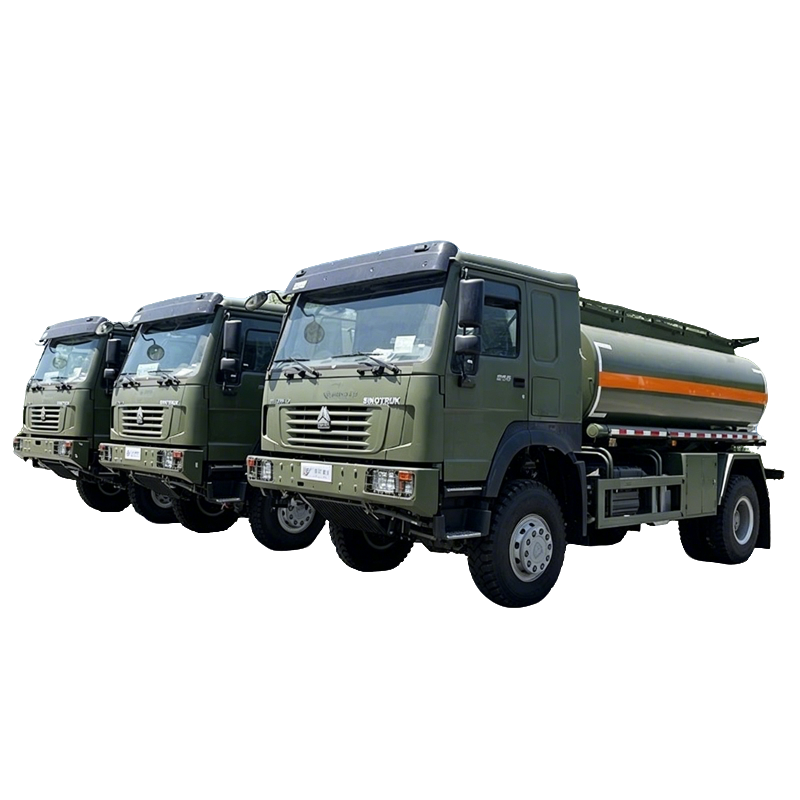
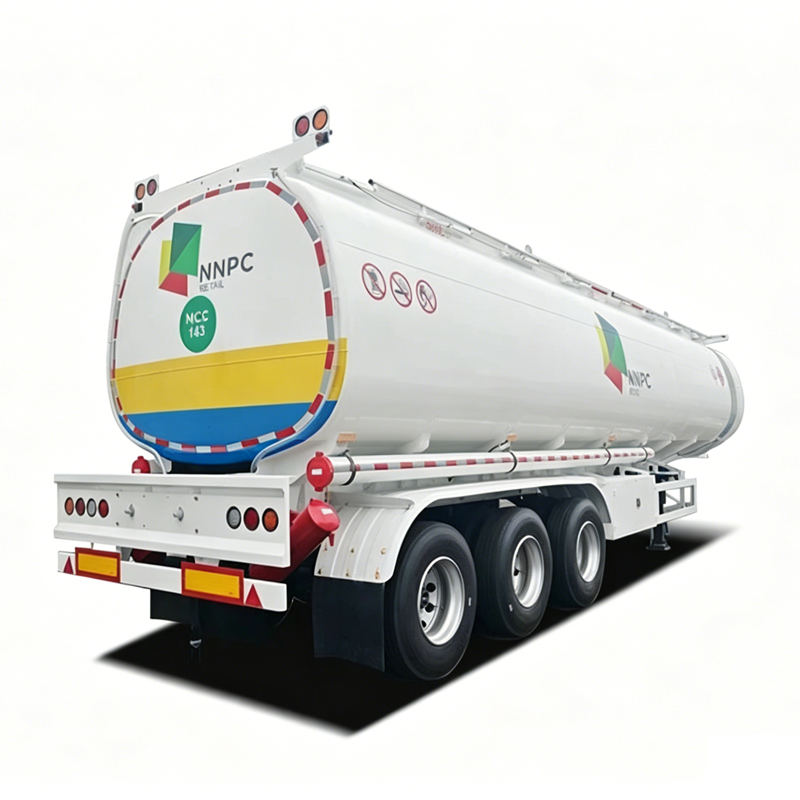
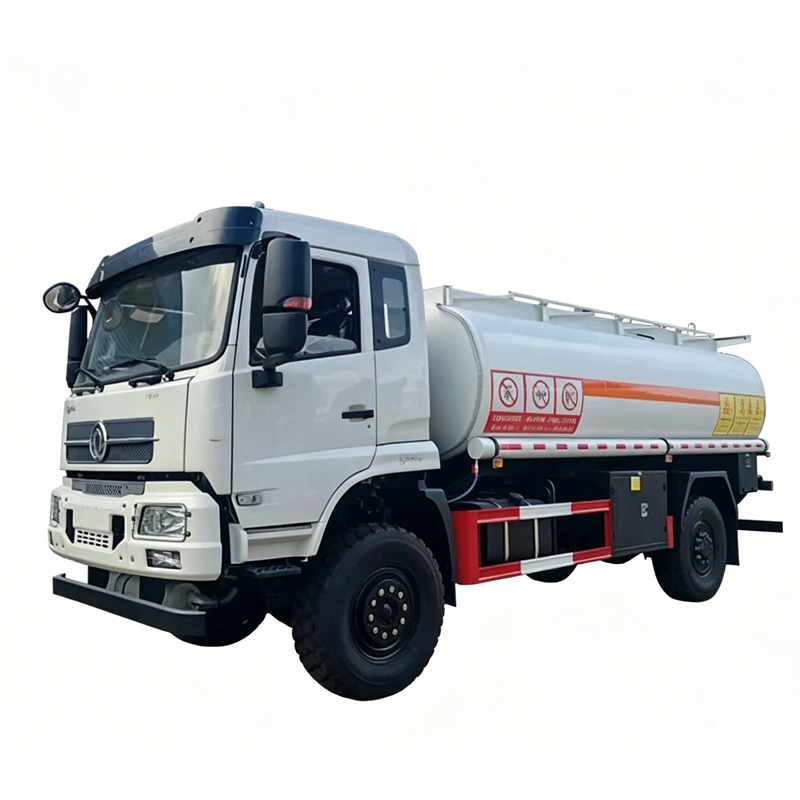
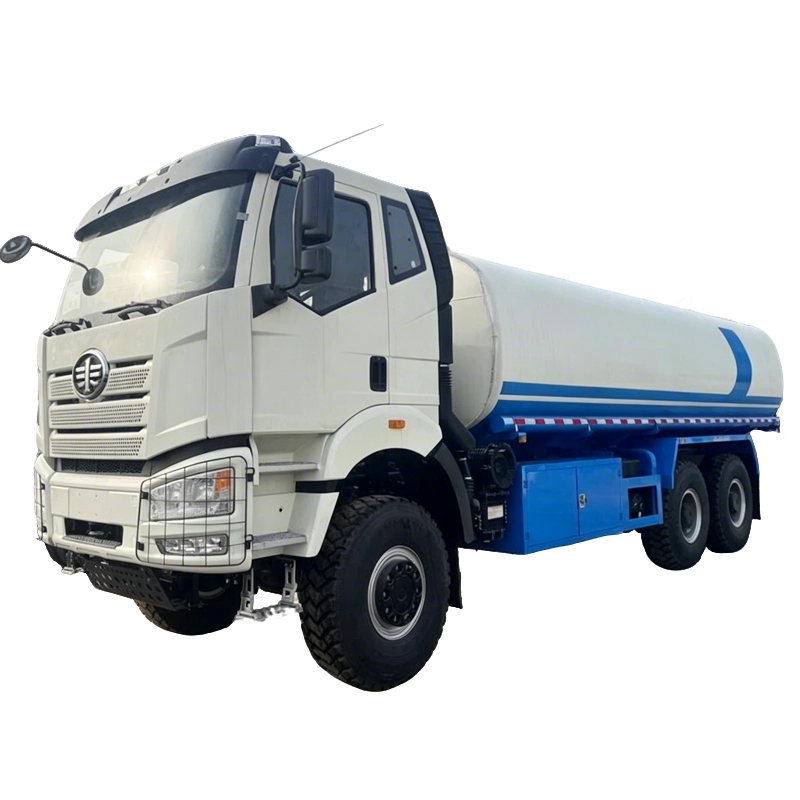
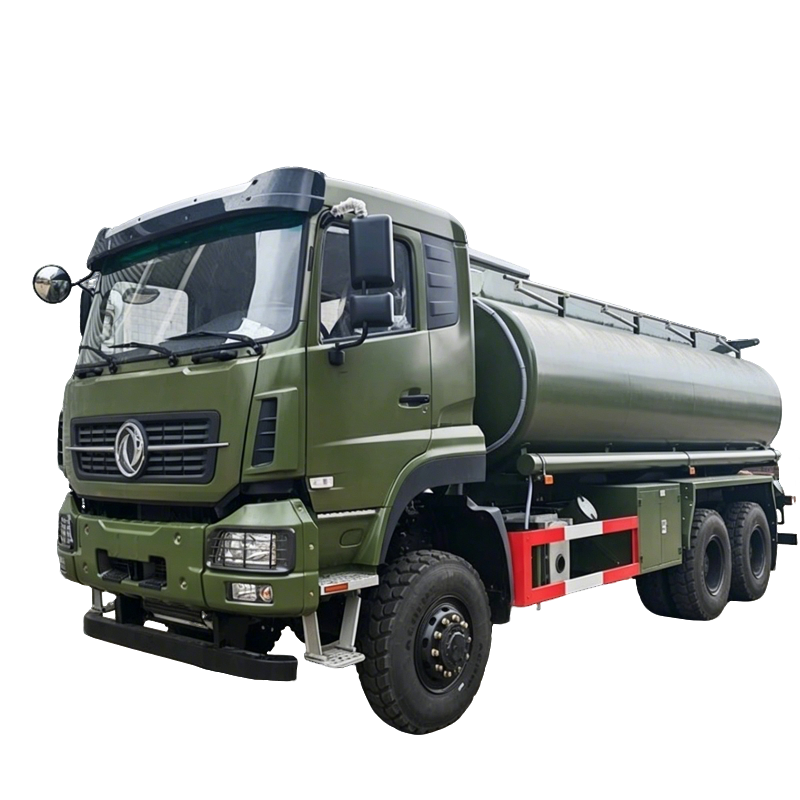
Aircraft refueling trucks are the unsung heroes of aviation ground operations, responsible for delivering clean, safe fuel to aircraft and ensuring smooth flight schedules. As critical equipment that directly impacts flight safety, personnel security and operational efficiency, their regular maintenance is non-negotiable. But how often should these specialized vehicles undergo maintenance? Industry experts and regulatory standards offer clear guidelines to balance reliability and cost-effectiveness.
According to global aviation regulations and leading maintenance service providers, aircraft refueling trucks require a tiered maintenance schedule, tailored to their usage frequency, operational environment and key component wear. The core framework includes daily pre-operation checks, monthly preventive maintenance, quarterly inspections and annual comprehensive overhauls—each serving a distinct purpose in safeguarding equipment integrity.
Daily checks, conducted by operators before each shift, are the first line of defense. These 30-point to 31-point inspections (depending on truck type) cover essential items such as fuel hose integrity, leak detection, pressure gauge accuracy, fire extinguisher functionality and electrostatic grounding systems. Operators must document these checks, which are reviewed daily by supervisors to address discrepancies promptly. This routine ensures minor issues, such as hose cracks or gauge malfunctions, are caught before they escalate into safety hazards.
Monthly preventive maintenance, performed by certified mechanics, involves more in-depth checks. For hydrant carts and tank trucks, this includes a 57-point inspection, disassembly and inspection of critical fuel delivery components, and flow testing to ensure fuel is dispensed at specified rates. Engine oil and filter changes, hydraulic system checks and electrical system diagnostics are also part of this monthly routine, extending the vehicle’s lifespan and preventing unexpected breakdowns that could disrupt flight operations.
Quarterly inspections, mandated by regulations such as Hawaii’s Administrative Rules, involve formal checks by authorized personnel using standardized airport certification forms. These inspections focus on compliance with safety standards, including tank integrity, emergency shutdown systems and compliance with NFPA 407 guidelines for flammable liquid handling vehicles. Fire extinguishers, a critical safety component, are also verified to meet rating requirements—with tank vehicles requiring two 20B-rated extinguishers and hydrant vehicles one.
Annual comprehensive overhauls are the most thorough maintenance event, covering every major component of the refueling truck. This includes full tank inspection for corrosion (especially for aluminum alloy or stainless steel tanks), complete hydraulic and pneumatic system servicing, replacement of worn hoses and nozzles, and calibration of precision equipment like flow meters and pressure transducers. Annual overhauls also ensure compliance with international standards such as JIG 1 and EI 1540, which govern aviation fueling safety.
Industry experts emphasize that these intervals are not one-size-fits-all. Trucks operating in harsh environments—such as remote airstrips or regions with extreme temperatures—may require more frequent maintenance. High-usage vehicles, such as those servicing busy commercial airports, may also need accelerated monthly checks to account for increased wear on pumps, hoses and engines. Neglecting maintenance can lead to costly repairs, fuel contamination, or even dangerous incidents like fuel leaks, as seen in recent industry incidents.
“Regular maintenance is not just a regulatory requirement—it’s an investment in safety and operational efficiency,” said a maintenance supervisor at a major aviation service provider. “A well-maintained refueling truck minimizes downtime, reduces the risk of fuel-related incidents, and ensures compliance with global aviation standards.”
In summary, the optimal maintenance schedule for aircraft refueling trucks revolves around daily checks, monthly preventive service, quarterly regulatory inspections and annual overhauls. Adhering to this tiered approach, while adjusting for usage and environment, ensures these critical vehicles remain reliable, safe and compliant—keeping aircraft and ground personnel protected, and flight operations on track.

Whatsapp : +86 13886875551
mr.Wang
Email : caihu715@gmail.com
Tel : +86 13886875551