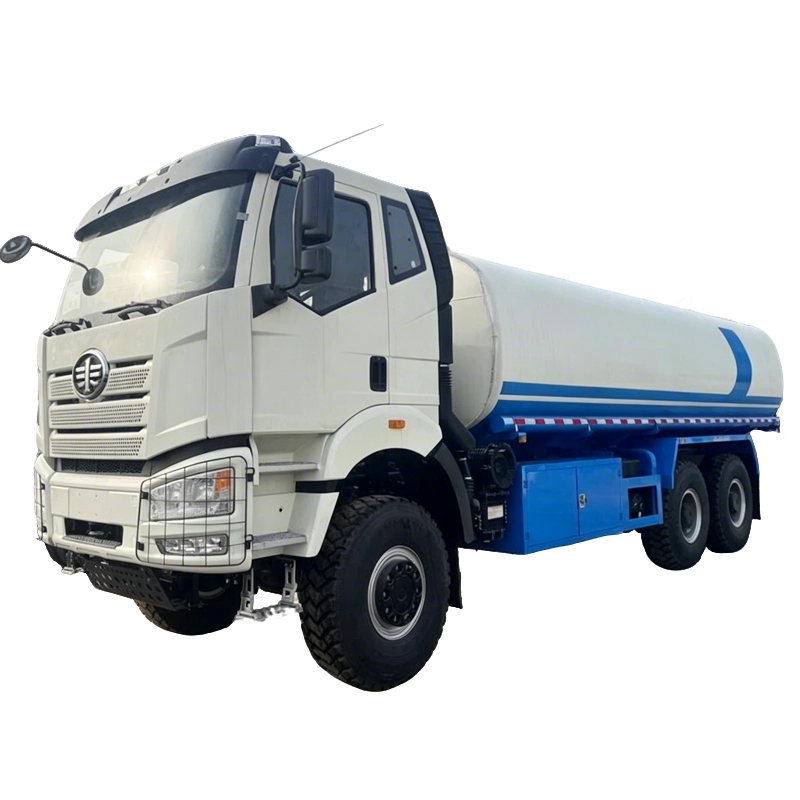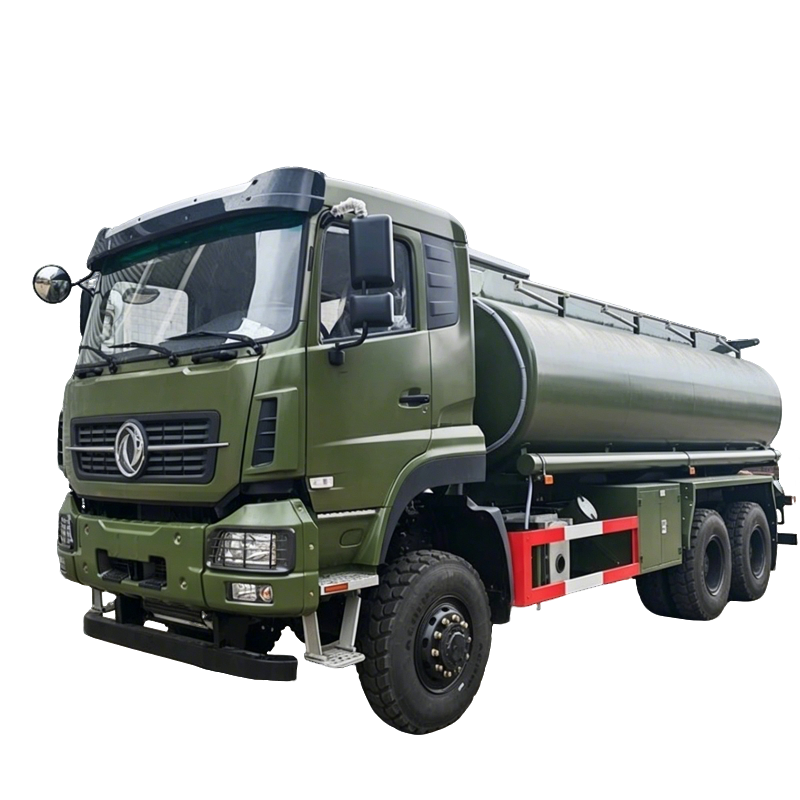
Is Road Transport of Oil Tankers in Africa Cost-Prohibitive? A 2026 Analysis
April 17, 2026 – Road transportation of oil tankers in Africa remains among the most expensive globally, with costs driven by infrastructure deficits, geopolitical risks, and operational inefficiencies. While essential for energy security in landlocked nations, the high price tag poses challenges for both suppliers and consumers, prompting calls for strategic infrastructure investment.
### The True Scale of Costs: Breaking Down the Numbers
Cost calculations vary by route and region, but industry benchmarks reveal significant expenses. For long-haul routes, the average total cost ranges from **$0.18 to $0.35 per kilometer**, with fuel alone accounting for 30% of road logistics costs. In Southern Africa, diesel prices average **$1.2–$1.3 per litre** (2026), and in West Africa, petrol costs range from **$1.7–$2.0 per litre**.
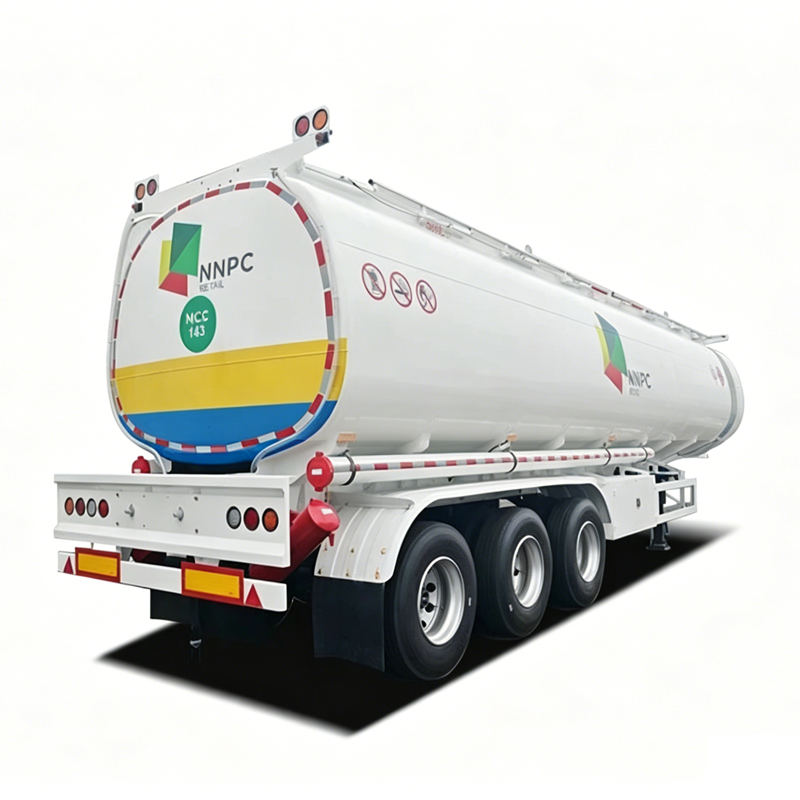
Cross-border journeys carry premium surcharges. Transporting a 20-ton fuel tanker from Lagos to Accra can cost over **₦10.84 million** (≈$12,000), including non-negotiable levies like road maintenance fees (0.85% of cargo value) and security taxes. In conflict-prone regions such as the Democratic Republic of Congo, insurance rates are 2–3 times higher than global standards, adding 5–8% to total expenses.
### Key Drivers of High Expenses
1. **Infrastructure Deficit**
Over 80% of roads in sub-Saharan Africa are unpaved, slowing average speeds to 30–40 km/h and increasing fuel consumption by 15–20%. A 4,100-km trip from Lagos to Johannesburg takes 72+ hours—twice as long as in developed economies. Poor maintenance also accelerates vehicle wear, raising maintenance costs by 25% annually.
2. **Geopolitical and Security Risks**
Regional conflicts and crime drive up costs. In high-risk zones, armed escorts add **$60–$120 per trip**. Insurance premiums for hazardous goods transport can reach **4% of cargo value** due to theft and accident risks. Recent Red Sea disruptions have also increased maritime costs, indirectly pushing up road freight demand and rates.
3. **Regulatory and Administrative Burdens**
Cross-border transport involves 15–20 checkpoints, consuming 30% of travel time. Unofficial fees and complex customs procedures further inflate costs. Many countries impose high taxes on fuel, which can account for 40% of pump prices.
4. **Operational Inefficiencies**
Limited truck availability and high fleet turnover increase capital costs. Drivers’ working hours are strictly regulated, and shortages raise labor expenses. Seasonal flooding in regions like East Africa disrupts routes, leading to delays that add 10–15% to overall costs.
### Regional Variations and Alternatives
Costs differ significantly across Africa:
- **Southern Africa**: Moderate but volatile; South Africa’s diesel prices hit **$1.3 per litre** in 2026.
- **West Africa**: Highest costs; Nigeria’s petrol exceeds **$1.7 per litre**.
- **East Africa**: Mixed; Kenya’s diesel averages **$1.1 per litre**, while landlocked Uganda faces 20% higher costs due to transit fees.
- **Conflict Zones**: Severely inflated; Sudan’s transport capacity has dropped 68% due to insecurity.
Rail and pipeline are often more cost-effective. Pipelines can reduce transport costs by 60–70% compared to road transport, but coverage is limited. Rail freight costs 30–40% less than road transport but suffers from low capacity in many regions.
### Industry Responses and Future Outlook
To mitigate costs, companies are:
- Adopting fuel-efficient vehicles to cut consumption by 10–15%.
- Using digital route optimization to reduce delays and unauthorized stops.
- Partnering with local logistics firms to navigate complex regulations.
Governments and development partners are investing in infrastructure. The African Continental Free Trade Area (AfCFTA) aims to reduce trade barriers, but progress depends on closing the continent’s **$68–108 billion annual infrastructure funding gap**. Improved roads and border management could lower transport costs by 25–30% over the next decade.

Whatsapp : +86 13886875551
mr.Wang
Email : caihu715@gmail.com
Tel : +86 13886875551