Safe Transportation Guidelines for LPG Tanker Trucks: Ensuring Public and Environmental Security
April 17, 2026 – Liquefied Petroleum Gas (LPG) is a vital energy source widely used in residential, industrial and automotive sectors, but its flammable and explosive nature poses significant risks during road transportation. To prevent accidents and protect people’s lives, property and the environment, strict safety protocols must be followed for LPG tanker transport, as emphasized by transportation authorities and safety experts.
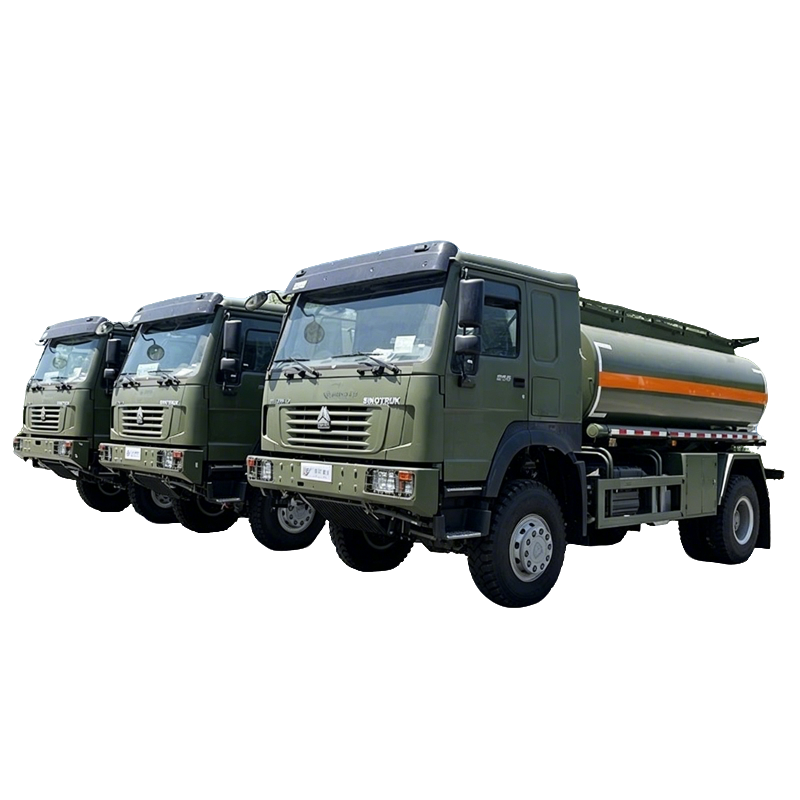
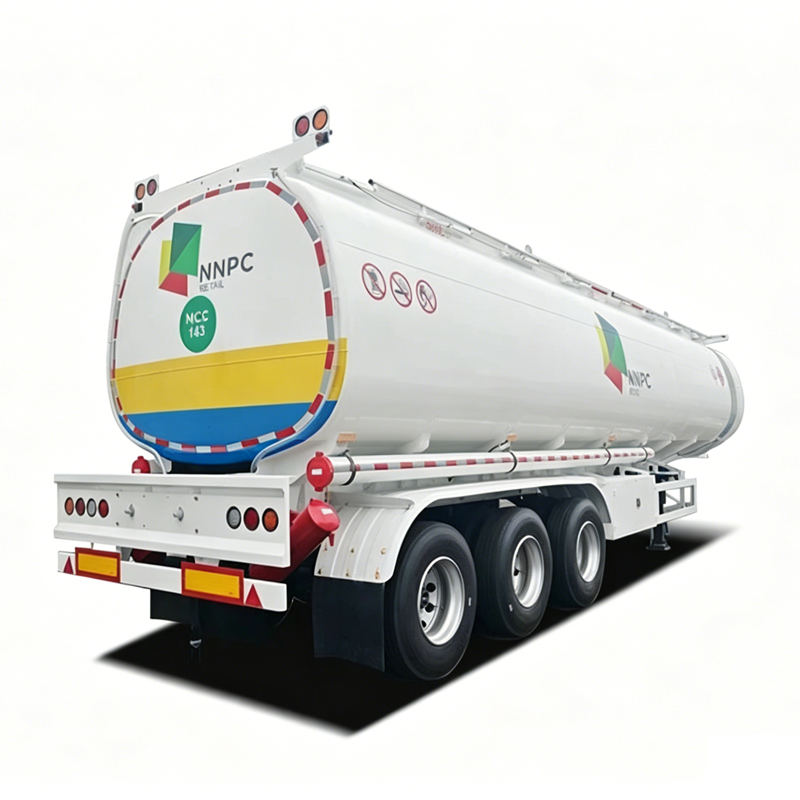
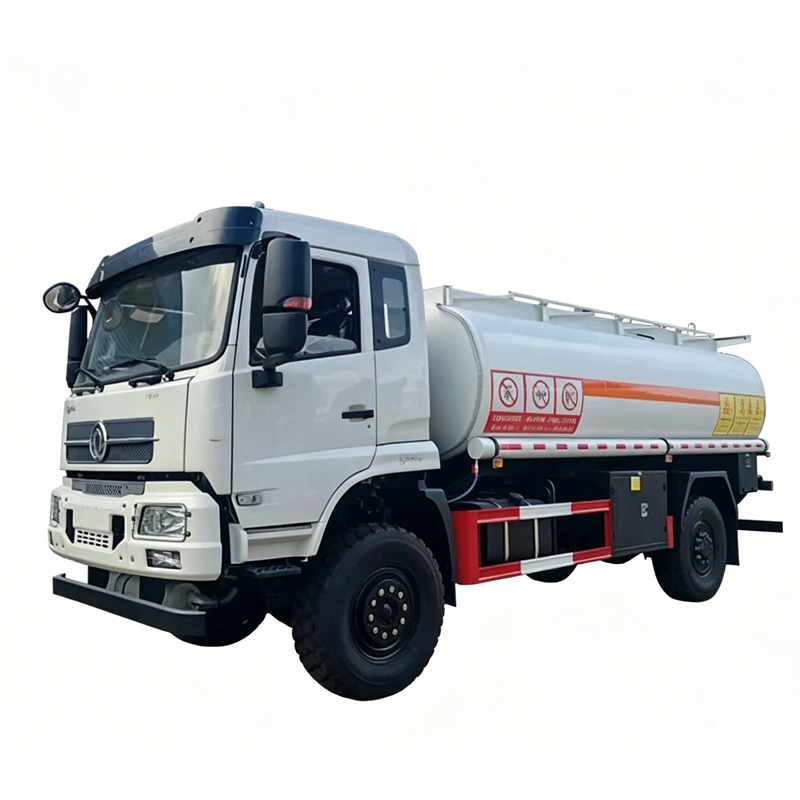
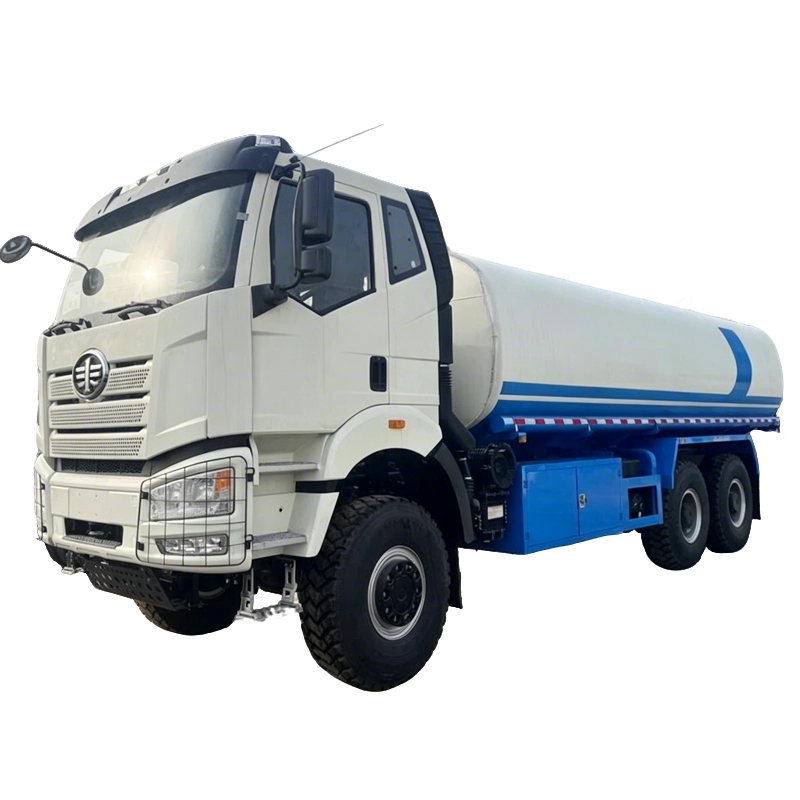
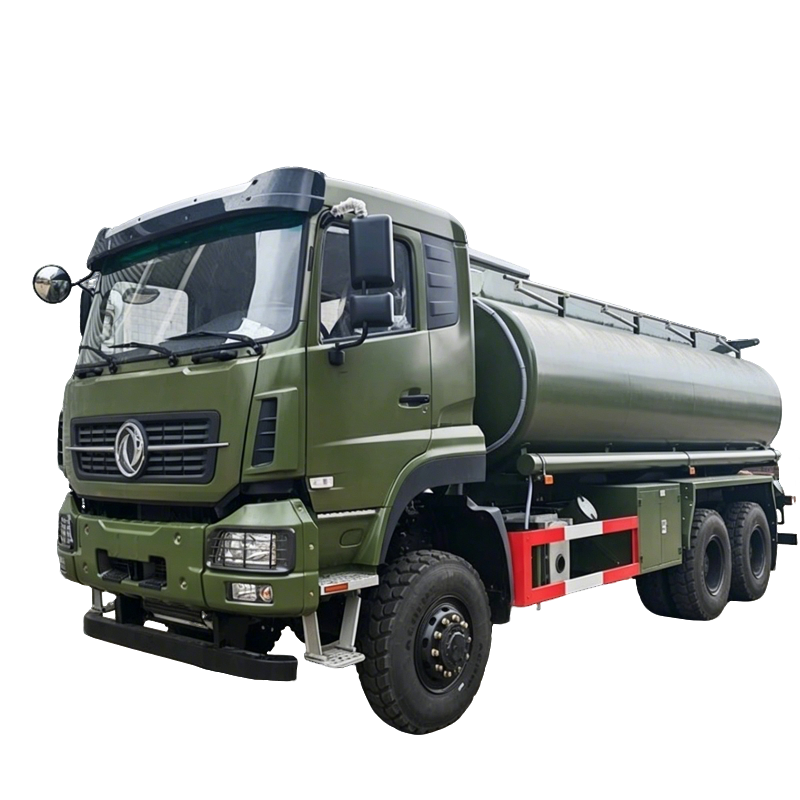
First and foremost, qualified vehicles and equipment are the foundation of safe transport. LPG tankers must be designed and manufactured in line with national and international hazardous goods transport standards, using high-strength alloy carbon steel for tank bodies that undergo non-destructive testing to ensure resistance to internal and external pressures. Essential safety equipment, including pressure relief valves, emergency shut-off valves and level indicators, must be fully functional – pressure relief valves automatically discharge excess pressure in case of overheating or overfilling, while emergency shut-off valves cut off LPG flow immediately in accidents or leaks. Additionally, vehicles must be equipped with anti-lock braking systems, speed governors, vehicle tracking systems and cameras for real-time surveillance.
Strict pre-transport inspections are mandatory to eliminate potential hazards. Before departure, carriers must check the technical condition of the tanker, tank body and safety equipment, as well as the functionality of satellite positioning devices. Drivers and escorts must conduct visual inspections to ensure the vehicle displays standard hazardous goods signs as required by GB 13392 and that there are no defects affecting transport safety. Meanwhile, shippers must provide a complete dangerous goods shipping list, specifying LPG’s properties, transport precautions and emergency contact information, and ensure the cargo is properly packaged with clear hazard labels.
Qualified personnel are critical to safe transport operations. Drivers and escorts must receive pre-job and regular safety training, passing assessments before taking on duties, and their training records must be kept for at least 12 months. They must strictly follow traffic rules, adhere to designated routes and avoid driving during restricted hours – generally between 23:00 and 06:00, unless special approval is obtained. During transit, drivers should maintain a safe speed, avoid sharp turns and sudden braking, and regularly monitor tank pressure and temperature; if the liquid temperature reaches 40℃, sunshading or water spraying measures must be taken to cool the tank.
Transit and parking management also play a key role in risk prevention. LPG tankers are prohibited from carrying other flammable goods or passengers, and smoking is strictly forbidden on board. Vehicles must avoid stopping in crowded areas such as schools, hospitals and residential districts; if a stop of more than 6 hours is needed, drivers must contact local public security departments and park at designated safe locations. When parking, the vehicle should be placed in a well-ventilated area, with no open flames within 10 meters, and drivers or escorts must not leave the vehicle unattended simultaneously.
Emergency response preparedness is another essential requirement. All LPG transport personnel must be proficient in emergency procedures for leaks, fires and explosions, including using fire extinguishers and activating emergency shut-off valves. Carriers must develop a comprehensive journey management plan, outlining authorized stops, accident-prone areas and emergency actions, and disseminate it to all crew members. In case of an incident, personnel must immediately report to the authorities and take measures to prevent hazard expansion, such as isolating the scene and evacuating nearby residents.
Authorities stress that LPG tanker transport safety requires joint efforts from shippers, carriers and relevant departments. Strict supervision and regular inspections will be carried out to crack down on illegal operations such as overloading, using unqualified vehicles and untrained personnel. The promotion of advanced technologies and intensive operation models is also encouraged to further improve transport safety水平. By strictly abiding by these guidelines, the risks of LPG tanker transport can be effectively mitigated, safeguarding public safety and ecological environment.

Whatsapp : +86 13886875551
mr.Wang
Email : caihu715@gmail.com
Tel : +86 13886875551